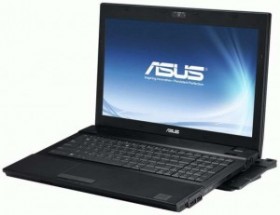
Until a few months ago the term ‘Ultrabook’ didn’t exist. Referring to a new category of Wintel powered ultrathin products designed to take Apple’s Macbook Air head on, the first mentions of the name came at Computex, a few days after ASUS unveiled its UX21 laptop. At the ASUS launch in Taiwan we had a chance to get some glimpses of the UX21 through the pack of camera wielding journalists that descended upon it every time it was being displayed. On the hype scale it came second to the Padfone tablet/smartphone hybrid, but it still impressed us a lot (once we released it was running a Core i7 rather than an Atom processor). Also read: Enter the Ultrabook: making the Windows laptop v MacBook decision It was the UX concept that sparked the Ultrabook idea by Intel, which is making special variants of its Sandy Bridge processors for the laptops. Since then there have been rumours coming out of Taiwan that there is some serious back and forth going on between Intel and laptop manufacturers, largely over the cost of the components and the subsequent ability to be price-competitive with the MacBook Air. The latest reports from Digitimes are that tier one manufacturers are getting a 20% discount on processors and that’s it. 12 and 13in versions To date most of the Ultrabook focus has been on the 12in UX21, but ASUS has a second model with a 13in screen that will soon be in production. Called the UX31, there are a handful of samples floating around the globe, and we made a visit to ASUS’ Sydney offices to take a look at this thin and light beauty before it finished its brief visit to Australia.
After spending a few hours with this beauty our excitement levels are high. While there are certainly compromises made to get high end hardware into a small form factor, the end result is a razor thin laptop with power that belies its size. Inside the 3mm-17mm wedge of unibody aluminium sits a Core i7-2637M clocked at 1.7GHz (which is half the speed of a desktop Core i7-2600). This is paired with 4GB of DDR3 and a 128GB Sandisk SSD. Shipping models will come with either Core i5 or Core i7 CPUs, and SSD capacity will include 64GB, 128GB, and 256GB options. The 1600 x 900 13in LED backlit screen is driven by the processor graphics built into the CPUs, which has been key to getting everything into the tiny chassis. Also in this wedge sits a Lithium polymer battery, which we didn’t get a chance to test. ASUS is claiming this will deliver 7 hours of battery life. One other factor that helps eke the most out of this battery is a 2 second resume from sleep when the lid is opened. This enables a usage model where the UX31 can be removed from a bag and re
The chassis itself is a unibody aluminium design, with a somewhat striking circular polish pattern around the ASUS logo on the lid. Open it up and there is a large scrabble-tile keyboard, suitable for even the comically massive hands of this writer. The touchpad seemed quite responsive and the aluminium surrounding it all was refreshingly resilient to fingerprint smudges. Audio quality wasn’t up to the level of some of the better engineered laptops out there, but it was surprisingly good for something in such a sleek form factor.
We also nerded out a bit over the way ASUS has integrated the ventilation slots into the screen hinge, making them relatively unobtrusive. We did a bit of a manual check of the base for hot spots and couldn’t find any telltale signs of where the CPU was – but we had only been running light workloads and will revisit it with some more CPU intensive benchmarks once review hardware becomes available.
C
omparisons to the Macbook Air are inevitable, and despite our initial worries that one could do little to differentiate a tiny wedge of aluminium, ASUS is playing to the strengths of the Windows platform with the UX31. On the left hand side (near the back, which is the only part thick enough to house ports)sits a USB 2 port, headphone jack and SD card reader. On the right side sit the hole for the charger, a USB 3 port, Micro HDMI and Mini-Displayport slots. This is a perfect feature set for such an on-the go product.
We should know soon exactly what the plans are for an Australian launch of the UX31. It is definitely coming, but ASUS is ironing out specs, prices and timing. Odds are that Acer will beat them to the punch, with a local Ultrabook launch scheduled for early September, but given everything we have seen to date of the UX31 and UX21, ASUS is setting a very high bar for the competition.
ady to go near instantly, which all plays into the convenience that Ultrabooks are supposed to deliver.